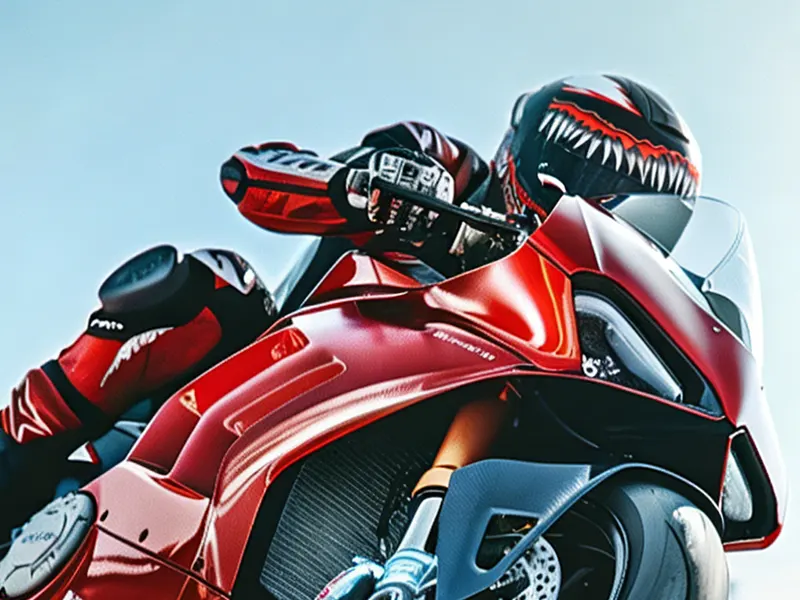

During those sunrise and sunset stretches, the sun hangs so low that the light comes at you almost flat—parallel to the ground. All that harsh glare hits your eyes at an angle where no visor peak or squint can really dodge it, and suddenly the stuff you need to see most just blanks out. Road surface details, traffic signals, the brake lights glowing on the car ahead—they all vanish into the same blinding wash for a moment that feels way too long. This moment of blindness typically lasts several seconds — enough to travel dozens of meters at 50 km/h. It is one of the most common and most underestimated safety risks in urban commuting.
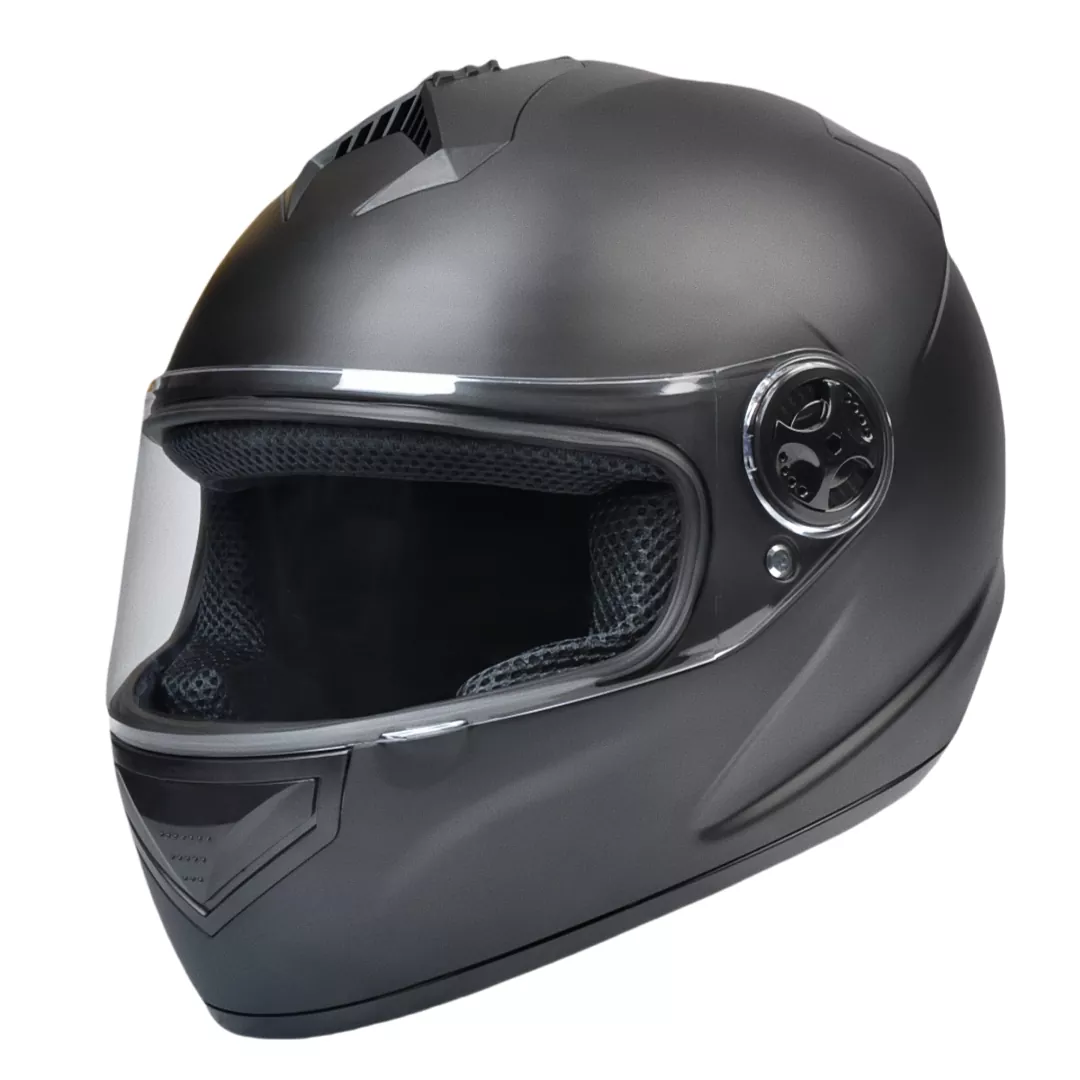
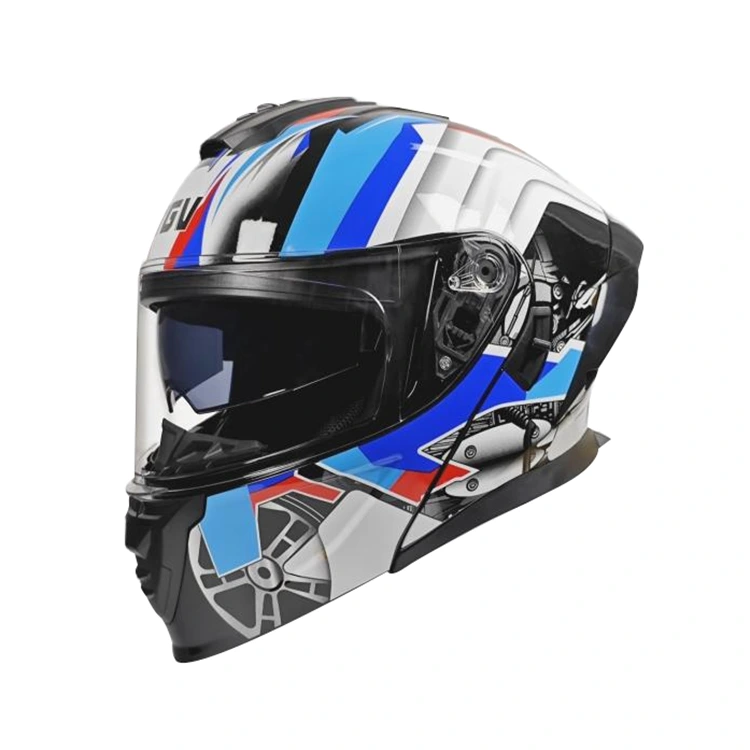
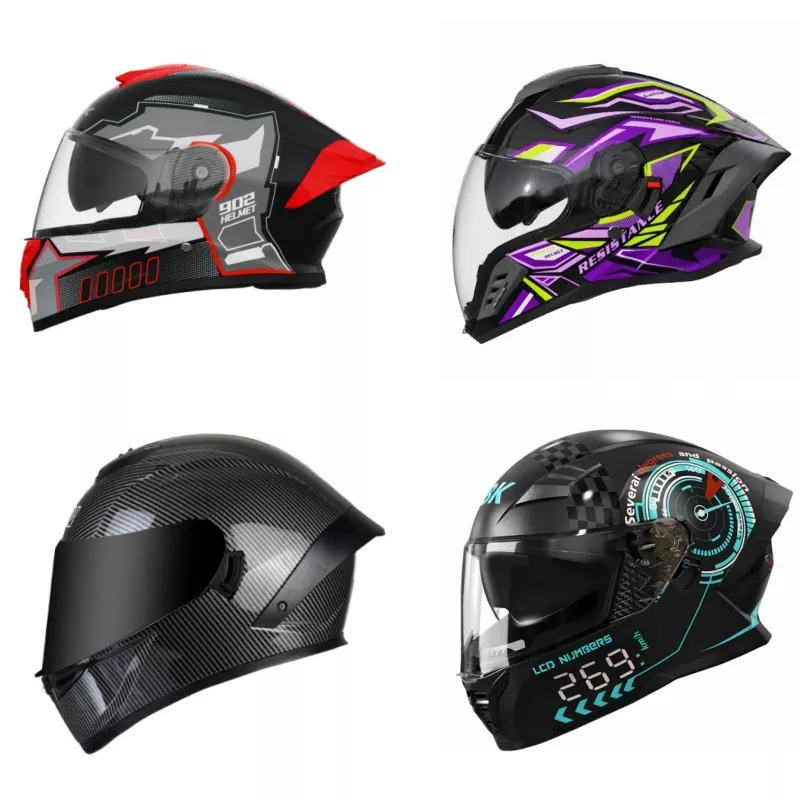
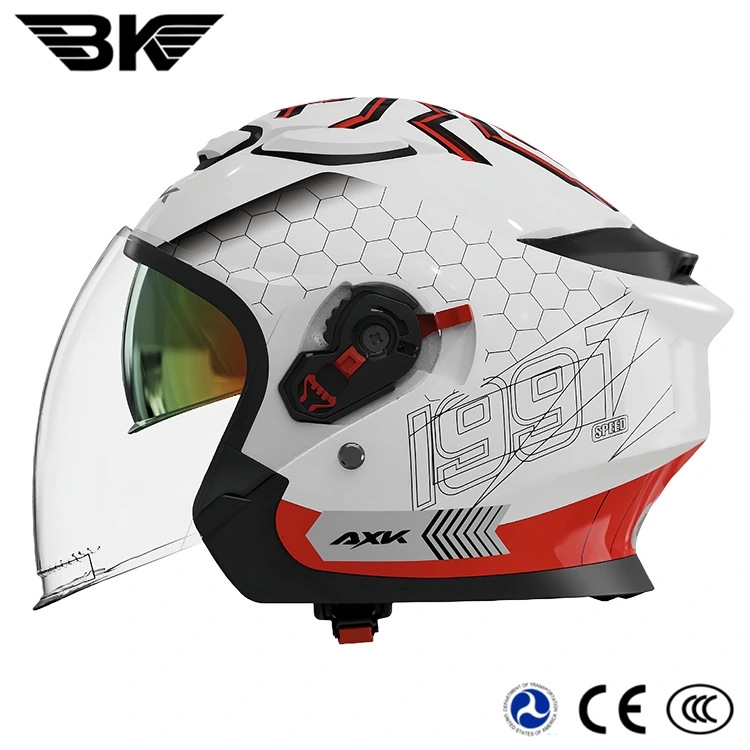
A dual visor helmet has a retractable tinted visor built in between the outer shell and the inner liner. Controlled by a slider on the top of the helmet or under the chin, it drops down instantly to provide shading when needed, and retracts completely out of sight when not — without affecting your view in any way. The entire operation is done with one hand, without stopping, and without needing to carry a replacement visor. This is its overwhelming convenience advantage over traditional solutions.
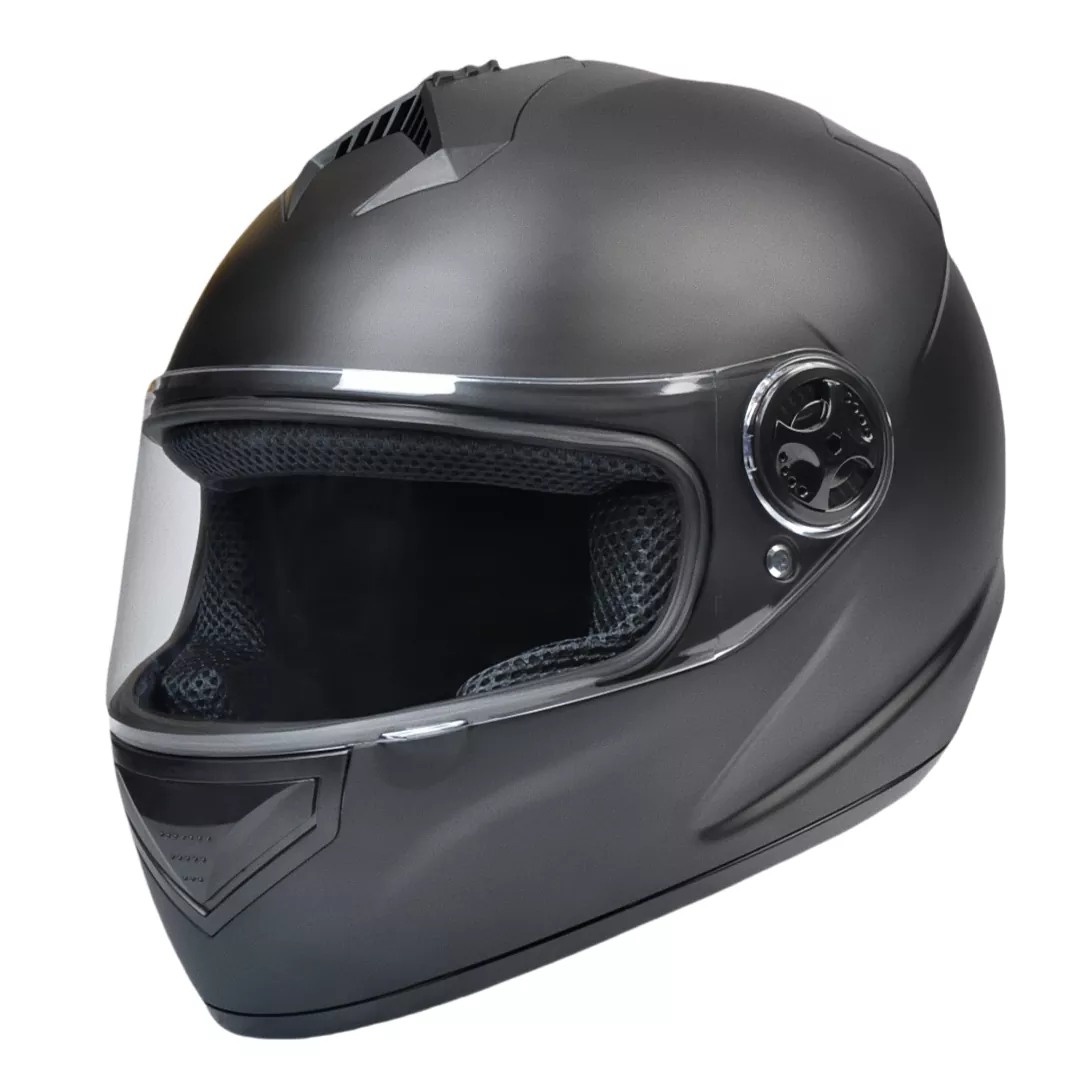
The traditional solution is a clear visor paired with a clip-on tinted visor. When the sun comes out, you either stop to swap visors or carry two visors with you on the road. The swap process takes time and requires both hands off the handlebars, making it nearly impossible to execute mid-ride. The dual visor system wins hands down in terms of convenience. However, clip-on tinted visors generally offer higher optical quality with less distortion — because the internal tinted visor needs to be flexible enough to retract, it is limited in thickness and material, resulting in slightly inferior visual sharpness.
That extra inner visor and its sliding mechanism aren't weightless—tack on roughly 100 to 150 grams compared to a single-visor version of the same shell. And those add-ons eat up space. The top slider and the internal channel where the tinted shield parks actually sit right in the path where ventilation would normally flow, so you end up with slightly weaker airflow than the single-visor setup of the exact same model. Then there's the dust situation: that hidden storage channel steadily collects fine grit over time, and getting in there to clean it properly is a genuine pain. None of this is a deal-breaker by any stretch, but these are the kinds of details worth knowing before you hand over your money.
A photochromic visor sounds like the dream on paper—it dims and clears all by itself based on how much UV is hitting it, no switches to flip, no extra shields to fiddle with. But there are a couple of real-world wrinkles that don't always get mentioned. Modern car windshields are already very effective at filtering out UV, so step into a car or ride through a long tunnel and that visor can be annoyingly slow to react, sometimes not darkening at all when you actually need it. Then there's the price: you're facing more than three times the cost of a regular shield, and when the thing eventually scratches up or wears, the replacement bill stings just as hard. That's where the dual visor system keeps its edge. Being able to manually drop or lift that inner tinted shield gives you instant control with zero lag, and you're not staking your whole setup on one very expensive piece of plastic. In terms of both responsive control and long-term cost, it still holds a clear advantage.
For riders with fixed morning and evening commute times where the sun angle is consistently low, the convenience of a dual visor pays off almost every single day. Long-distance touring riders who are on the road all day, with the sun's angle constantly changing, will find the dual visor's on-demand switching ability equally well-suited to their needs. If you primarily ride during non-commute daylight hours, or live in a region with year-round cloud and rain, the utilization rate of this feature will drop significantly.
A dual visor helmet is not a necessity, but it is the most elegant solution to a specific pain point. Losing your sight at the moment of low-angle sun glare is just a story if it doesn't happen to you — but it becomes an accident if it does. If the morning and evening sun is your daily opponent, the freedom to switch visors at will, in exchange for a weight gain of just over a hundred grams, is well worth serious consideration.
Ningde Chief Pigeon Technology Co., Ltd. makes a whole range of well-built helmets that come equipped with dual visor systems—striking a solid balance between all-weather protection and the kind of everyday convenience riders actually need. Reach out to us today, and we'll help you figure out which helmet setup fits your commuting habits best, so every ride stays clear and worry-free.